
• Visit
    • Plan Your Visit
    • History Center in Douglas
    • Museum at Mt. Baldhead
    • Demerest Fishing Shanty
    • Douglas Walking Tour
    • Additional Sites
  • History
    • History Resources
    • Online Catalog
    • Exhibitions
    • Projects
    • Genealogy
    • Maps
  • Support
    • Support
    • Join
    • Donate
    • Volunteer
    • Sponsor
  • About
    • About SDHC
    • News
    • Staff & Board
  • Events
  • Shop Online
  • Subscribe
  • Contact Us
Skip to Main Content
Search
  • Hours & Locations
  • Shop
  • Donate
  • Visit
    • Plan Your Visit
    • History Center in Douglas
    • Museum at Mt. Baldhead
    • Demerest Fishing Shanty
    • Douglas Walking Tour
    • Additional Sites
  • History
    • History Resources
    • Online Catalog
    • Exhibitions
    • Projects
    • Genealogy
    • Maps
  • Support
    • Support
    • Join
    • Donate
    • Volunteer
    • Sponsor
  • About
    • About SDHC
    • News
    • Staff & Board
  • Events

←GO BACK

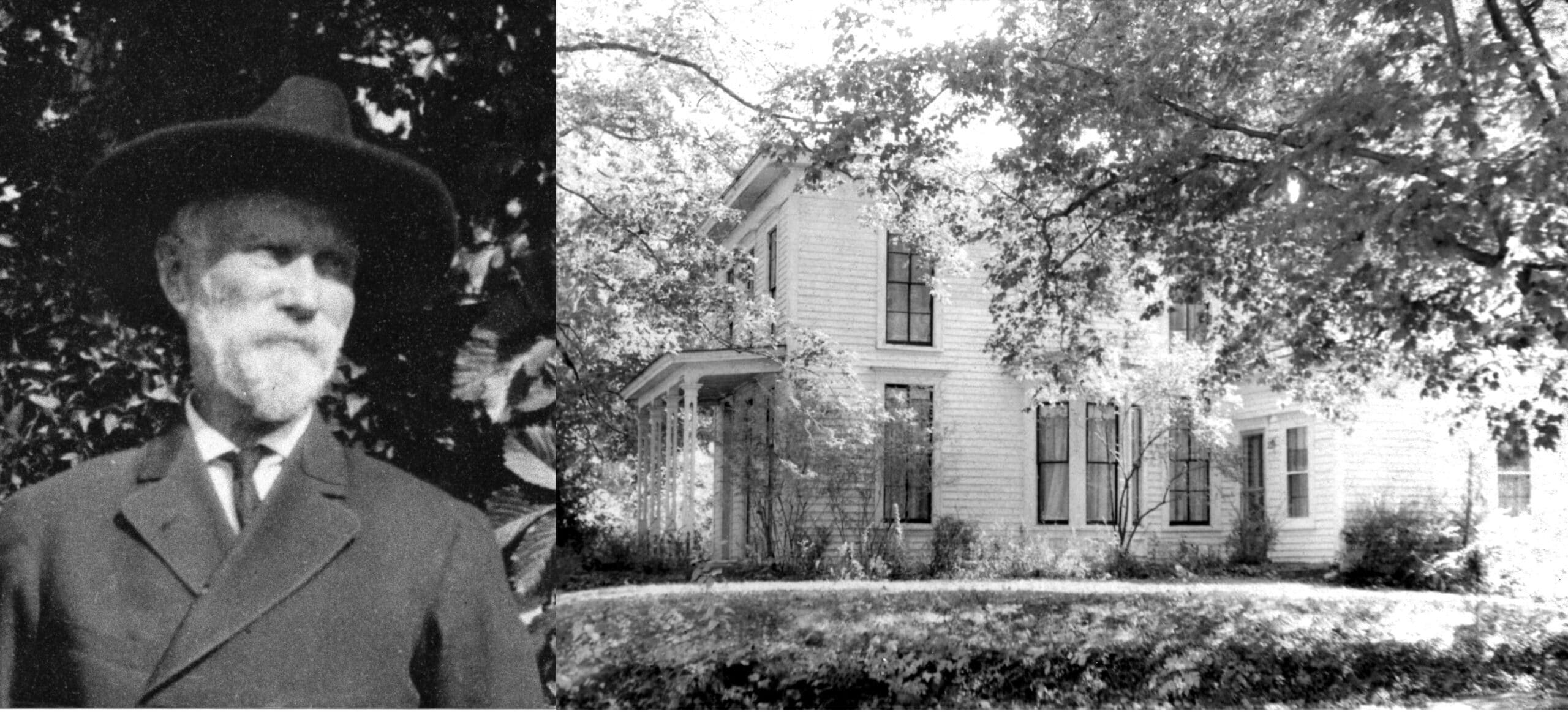
30. Kalamont House

Left: William White / Right: Kalamont House


William White was a hearty soul. Born in Cape Breton, Nova Scotia, Canada, he left home at nine years of age to work in a coal mine. He came to Saugatuck in 1855.

By 1862, William White was a 26-year-old worker at the Wallin Tannery — where Clearbrook Golf Club is today — when he enlisted in the 5th Michigan Cavalry to fight in the American Civil War. In March 1864, he was captured in Virginia and held at the notorious Libby and Andersonville prisons before being exchanged and rejoining his company in December 1864. In April 1865, White “won laurels for bravery” and was still on the firing line when the Confederate General Lee surrendered  at Appomattox. According to a 1907 history, “with the exception of the year he was held as a prisoner, he took part in all the battles and skirmishes of his regiment and during his service was never ill or wounded and never missed a meal.” White was mustered out at Fort Leavenworth, Kansas, on June 23, 1865.

After the war, White took up farming in Ganges Township. Once their daughters were grown, William and his wife, the former Caroline Martin of New Richmond, traded the farm for this house in Douglas. Known as Kalamont, the home was built about the time of the Civil War by Thomas Gray, a Douglas merchant. Over the piano in the parlor, White hung a large engraving of Andersonville Prison, in remembrance of the months he spent there.


Contact

P.O. Box 617
Douglas, MI 49406
(269) 857-5751
Contact Us

Hours & Locations

About
  • About
  • Staff & Board
  • Policies
  • News
Subscribe to Our Newsletter

Sign up to receive periodic emails about our activities.

Subscribe

  • Facebook
  • YouTube
  • Instagram
  • Michigan Arts & Culture Council
  • Candid. - Gold Transparency 2023
  • National Endowment for the Arts

© 2026 Saugatuck-Douglas History Center

  • Privacy Policy

Museum Website Design by Landslide Creative